Ditch the Single Overhead Light: The 3-Layer Lighting Approach
Layered Lighting & Ambience
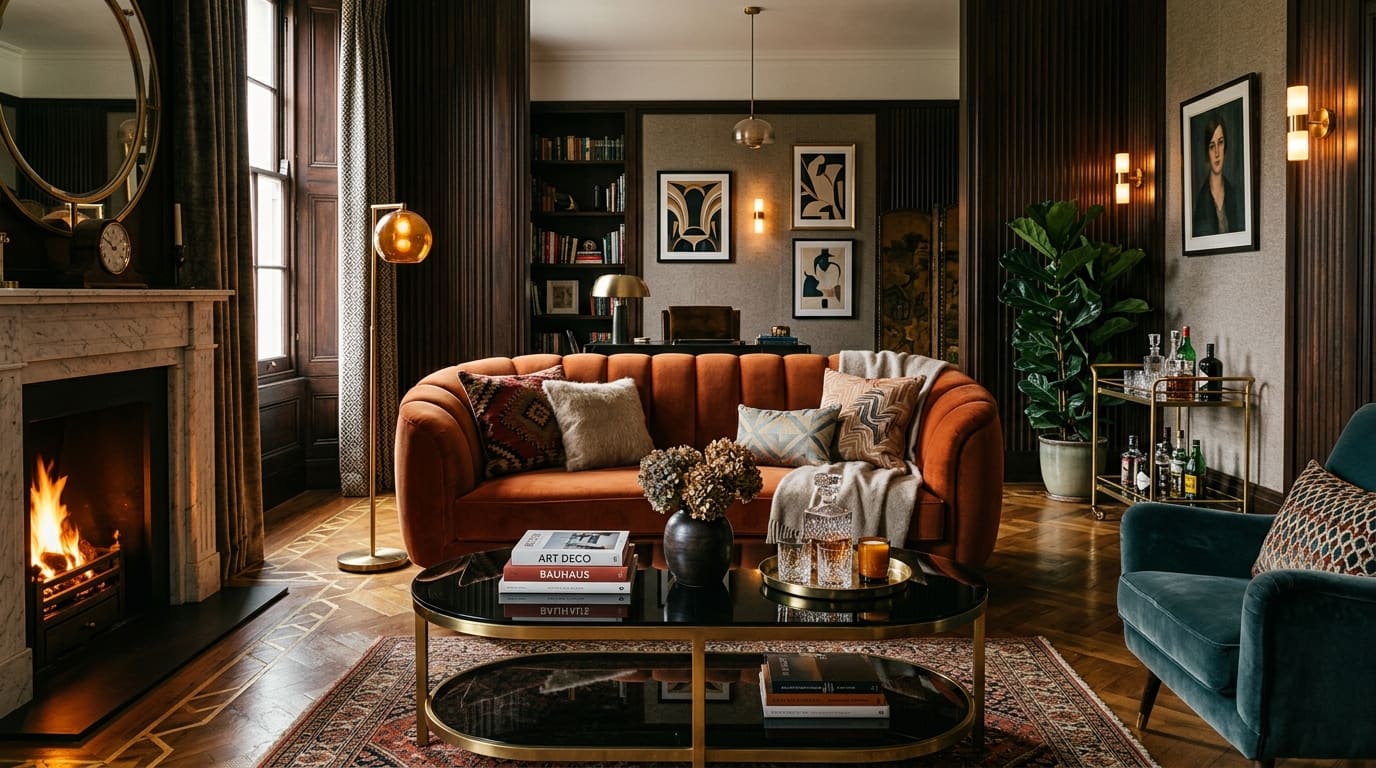
A single ceiling light can illuminate a room, but it rarely creates the most comfortable or flexible atmosphere. Layering different types of lighting lets you use the room for different activities and creates more depth in the evening.
The Three Layers of Room Lighting
1. Ambient lighting
This provides general illumination throughout the room. Examples include ceiling fixtures, recessed lights and larger pendant lights.
2. Task lighting
This provides focused light where you need it: a reading lamp beside a chair, a desk lamp or under-cabinet lighting in a kitchen.
3. Accent lighting
This adds atmosphere and draws attention to particular areas. Think table lamps, wall lights, picture lights or small decorative fixtures.
You don't need three completely separate systems in every room. The important idea is to avoid relying entirely on one source.
Common Mistakes to Avoid
- Using only one ceiling fixture: It can leave corners and lower areas of the room feeling dark.
- Using the same brightness everywhere: Different activities benefit from different levels of light.
- Choosing the wrong color temperature: Warm white light around 2700–3000K is commonly used for comfortable residential spaces, while cooler light can be useful where clearer task illumination is needed.
Pro Tip: Add at least one light source at a lower level, such as a table or floor lamp. It can dramatically change how a room feels in the evening.
Frequently Asked Questions
How many lights does a living room need?
There isn't one correct number. Think about the size of the room, what you use it for and whether light reaches the areas where you read, work or relax.
Plan Your Lighting Layout
Use the Nooked Web Tool to place your furniture and lighting elements and check how much space different fixtures require before installing them.
All guides